


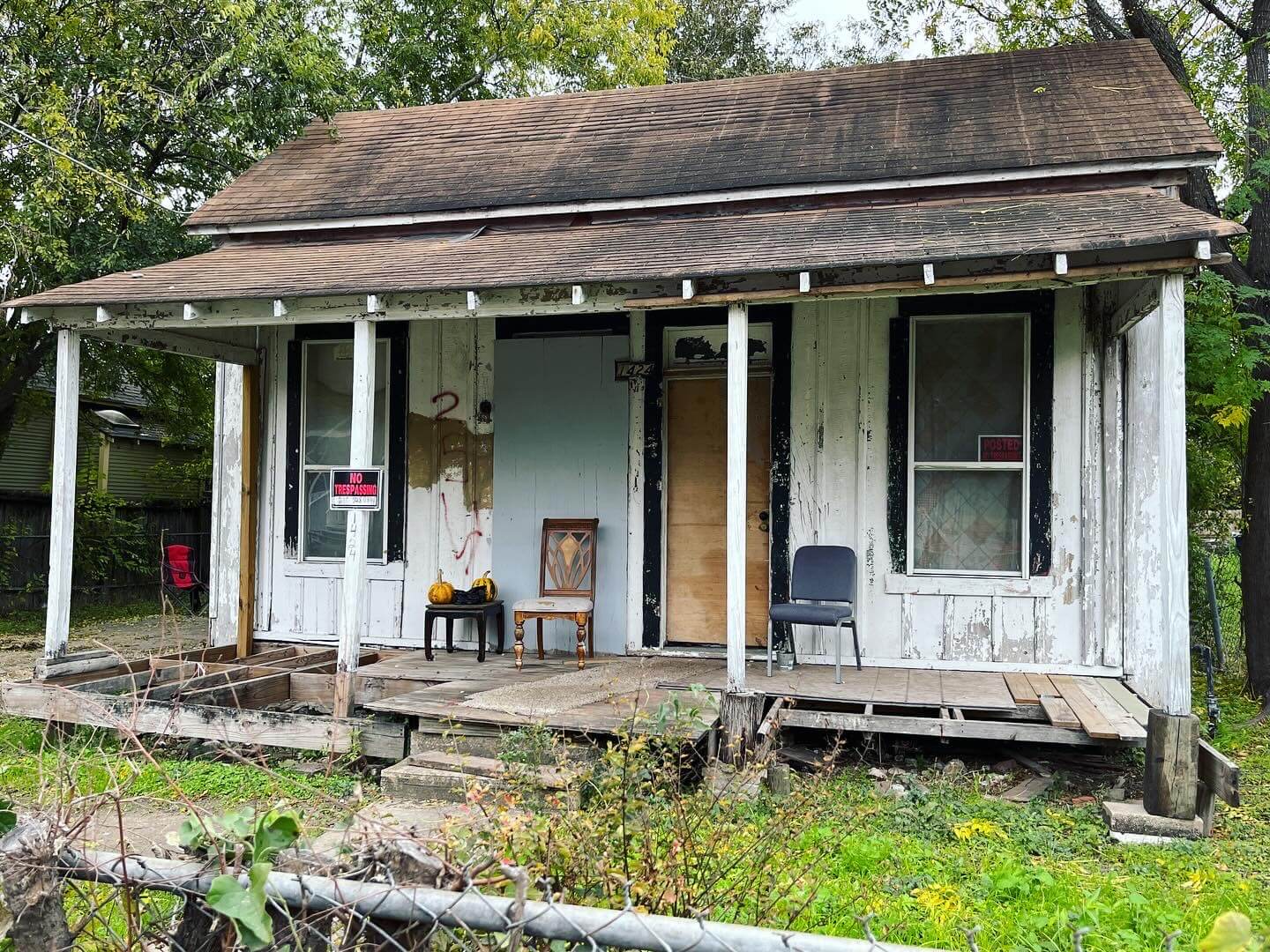



How Neighborhoods Impact Our Health

From the Alamo to the San Antonio River Walk, our city has a rich, vibrant culture filled with people from different backgrounds.
But with this diversity comes disparity.
Did you know that over 14% of Bexar County residents have diabetes? That is 2.6% higher than the state average, and 3.5% higher than the national average. How could people living in a certain neighborhood be suffering more from a disease than people living just one or two ZIP codes away?
One explanation stems from the stark differences between neighborhoods in San Antonio:
It is one of the most economically segregated cities in the nation.
A history of development that includes racial deed restrictions, redlining, and other forms of housing discrimination means that many San Antonio families—particularly Latina/o and Black families—have had limited housing and neighborhood options.
For decades, discriminatory practices have prevented many families of color from living in neighborhoods with high-quality schools, healthier food options, more parks, and other resources essential to a healthy life. While race-based housing discrimination is illegal today, the economic segregation that resulted from it still impacts entire neighborhoods and how San Antonio families live, learn, eat, work, play, worship, and age.
Believe it or not, these differences between neighborhoods have implications for people’s health. This phenomenon, known as the social determinants of health (SDOH), describes conditions in the areas where people live that affect their health, quality of life, and financial opportunities, among others. They contribute to health disparities and inequities too deeply rooted for people to escape them simply by “making healthy choices.”
What do these conditions look like in neighborhoods?
In communities where people have lower incomes, grocery stores are often scarce and are instead replaced by an abundance of fast food options and prepackaged foods at convenience stores. This lack of access to fresh food is referred to as a food desert.
When families have no other choice but to turn to less-healthy options because of proximity and cost, their risk of developing health conditions like heart disease, diabetes, and obesity increases, and their overall life expectancy is lowered.
A recent study found that residents in North Bexar County live 20 years longer than those in the south.
Lower-income neighborhoods notoriously have less access to green space. The lack of areas to exercise and spend time outside impacts physical health and mental health. According to the American Psychological Association, spending time outside lowers stress, improves mood, and reduces the risk of certain psychiatric disorders. Having less access to parks and other outdoor gathering places makes it more difficult for people living in low-income neighborhoods to regularly enjoy the health benefits that come with being outside.
Because of less access to financial resources, poorer neighborhoods tend to have less access to high-quality public schools, which also shapes a person’s health. Through quality education, students are not only taught how to take care of their health but are more likely to have higher-paying jobs where they can better access health care. They may also endure fewer work safety risks.
How can we address the impacts of social determinants of health and ensure every family and neighborhood can thrive in their surrounding environment?
We can start by reducing the economic gap between neighborhoods. We can work together as a city to increase access to safe and affordable housing, safe parks, quality education, healthy foods, and local emergency and health services. Addressing social determinants of health will require participation from every one of us, not just politicians, medical professionals, or those affected by these systems.
We all have capabilities, resources, and networks that will be critical in supporting our neighbors and creating a better, more equitable San Antonio for all of us.
To learn more about these issues, check out the following articles and reports:
Health Equity and Minority Health in Bexar County and the City of San Antonio, by Vincent R. Nathan, PhD, MP at San Antonio Metropolitan Health District
Health in San Antonio: The Current State and Challenges by Golareh Agha, PhD Chief of Informatics at San Antonio Metropolitan Health
Needed: A standardized approach on social health determinants by Colleen M. Bridger, director of the city of San Antonio Metropolitan Health District
Social Relations Spatially Fixed: Construction and Maintenance of School Districts in San Antonio, Texas by Raquel Torres, writer for the San Antonio Report
The Status of Poverty in San Antonio, by Christine M. Drennon, written for the Geographical Review
Want to Learn More?

Shanicka Peurifoy and Danzel Parker, are raising their family on the West Side.
Virginia Mata’s story comes full circle—and shatters misperceptions along the way.


Mike Brown runs a pizza shop while leading his kids and community to a better life.