


Attend a Shared Table – See Upcoming Events

Top bar
icon

Fiesta! Know the History
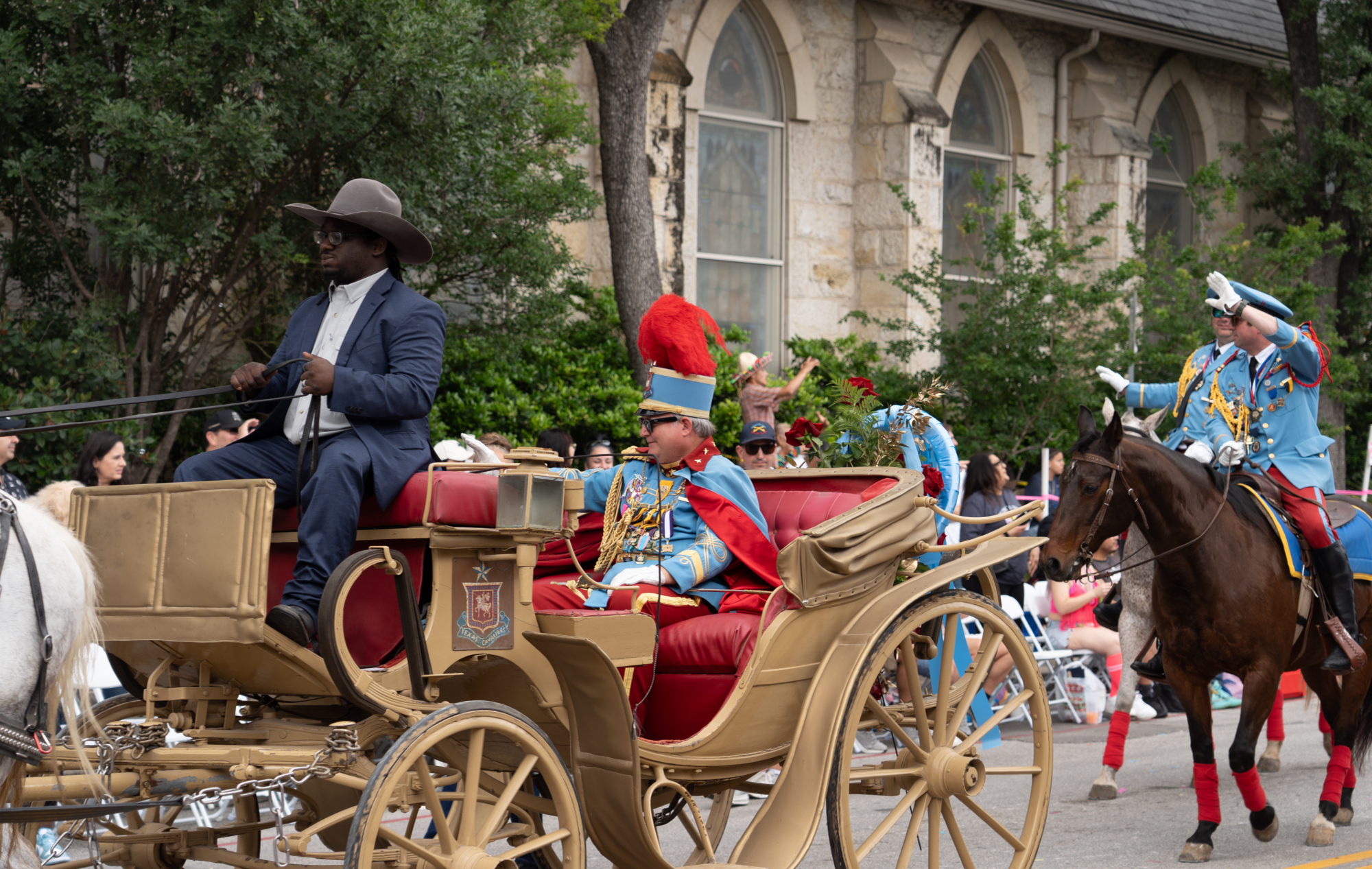
Learn about the history of fiesta. What does San Antonio celebrate?

When you think about fiesta, what stories come to mind?

For many, Fiesta San Antonio evokes memories of eating chicken on a stick, standing for hours asking the royal court to “show us your shoes,” and colorful paper flowers crowning the heads of children. We trade and collect medals like badges of honor, each one a symbol of our city’s spirit.

What began in 1891 as a tribute to Texas’ defenders has evolved into a larger-than-life citywide festival. But behind the cascarones and fancy dresses of the royal court, another story lives.
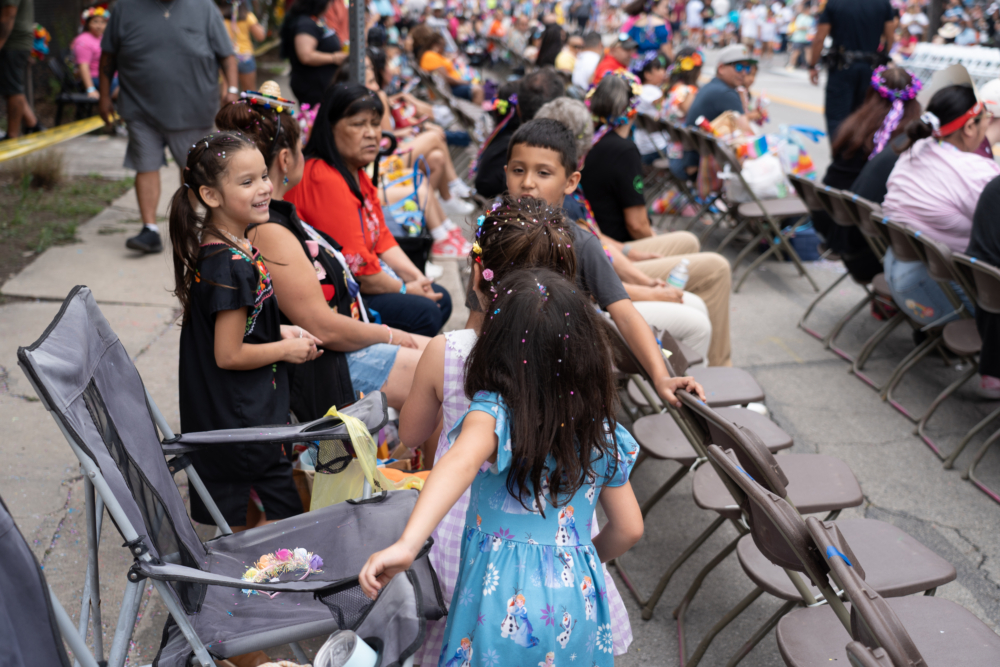
What are we even celebrating, and how are we celebrating it?

These questions might seem strange to you. If you’ve grown up in San Antonio, you might have grown up having King Antonio come to your school and celebrated getting a day off for the Battle of Flowers Parade. Traditions like this teach a very specific story about Fiesta, so you may have never even considered there could be another side.

But what stories would we hear about the Battle of the Alamo or San Jacinto if they were told from a different perspective? What questions would we ask about the royal court? How would we feel about the parades and events?

Fiesta Timeline

1826
Mexico Abolishes Slavery
Mexico abolished slavery primarily through the Guerrero Decree issued on September 15, 1829.
1835
Las Siete Leyes
Las Siete Leyes, or “The Seven Laws,” are passed in Mexico. Unhappy with the changes, settlers rebel against Mexico, seeking to form a new nation.
1836
Republic of Texas is Founded
Colonized in the eighteenth century by Spain, the Republic of Texas declared its independence from Mexico on March 2, 1836.
1845
Texas joins the United States
On December 27, 1845, U.S. President James K. Polk signed the annexation bill into law, formally recognizing Texas as the 28th state of the Union.
1865
Slavery ends in Texas
Freedom finally came on June 19, 1865, when roughly 2,000 Union troops arrived in Galveston Bay, Texas. The army announced that more than 250,000 enslaved people were free by executive decree.
1891
The First Fiesta
A group of affluent women started Fiesta as a way to honor the lives of their ancestors who settled Texas.
1909
Order of the Alamo
John Carrington establishes the Order of the Alamo to select the Queen and Royal Court, formalizing the leadership of Fiesta. The organization becomes a key force in shaping the tradition’s rituals, aesthetics, and social hierarchy.
1926
The Cavaliers
John Carrington creates the Cavaliers, a fraternity of business and civic leaders, to select King Antonio.
1947
Rey Feo and La Reina
LULAC—the League of United Latin American Citizens, a civil rights organization—crowns Rey Feo and La Reina de la Feria to bring Latino representation into the royal court.
1949
First Miss Fiesta
The first Miss Fiesta was crowned in 1949 by the Fiesta Commission Charitable Corporation. Separate from the Order of the Alamo, Miss Fiesta San Antonio was selected through a beauty and talent pageant and awarded a scholarship for higher education.
1970
First Queen of Soul
The first Queen of Soul was not crowned until 1970, when the newly formed San Antonio Queen of Soul organization began creating opportunities for young Black women to participate in Fiesta’s royal courts.
1971
First Charro Queen crowned
Just a year later, the first Charro Queen was crowned by the San Antonio Charro Association, introducing a royal title that highlighted Mexican and Mexican American cultural traditions within Fiesta.
1980
Rey Feo and La Reina Recognized
The Fiesta Commission did not officially recognize Rey Feo and La Reina de la Feria until the 1980s.
2017
First Latino King Antonio
For the first time in their nearly 100‑year history, the Texas Cavaliers elected a Mexican American King Antonio to reign over Fiesta. In 2017, Michael A. Casillas became the first Mexican American to lead the organization.

learn More about These Issues

check out the following articles and reports:

  • Read this article by longtime San Antonian Lionel Sosa about the complex feelings some of our neighbors have about Fiesta
  • Read this article by Elaine Ayala on the roots of Fiesta